
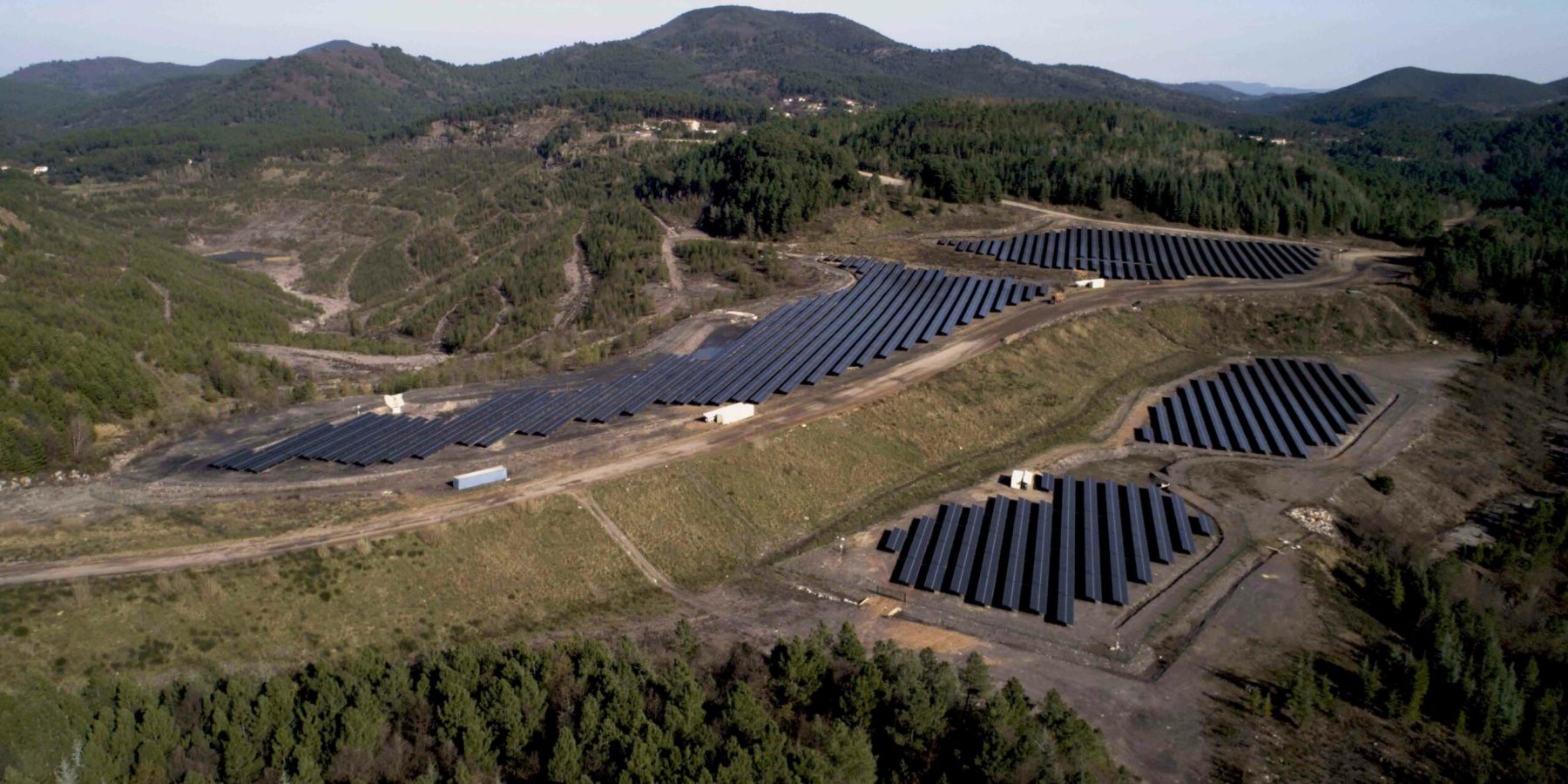
Heidelberg Materials, a leading building materials company, operates more than 300 sites in France, including around 100 quarries. Like the rest of the industry, the company must rethink the future of its sites once operations come to an end. For seven of them, it has chosen to pursue a renewable energy conversion, transforming them into solar power plants in partnership with Urbasolar.
Insights from Paul Porcheray, Director of Procurement and Logistics, France, at Heidelberg Materials.
 1) What prompted Heidelberg Materials to make this strategic choice?
2) What types of sites were selected, and according to which criteria?
We selected quarries nearing the end of their operating life, as well as land where industrial use is declining. The criteria include solar potential, environmental compatibility and the ability to host projects that create value for local communities. We aim to prioritise sites where the landscape integration is optimal and where redevelopment can enhance biodiversity and ecological connectivity. Our goal is to select sites suited to exemplary renewable energy projects that can be replicated and are supported locally.
3) What benefits do you see in transforming these sites into solar energy facilities?
Redevelopment gives a new lease on life to land once used for extraction, turning it into productive sites for renewable energy. It supports ecological restoration, improves biodiversity and helps reduce the overall carbon footprint of local areas. These projects also help stabilise local energy supplies while avoiding the development of new land. Finally, they embody a responsible transition from the site’s industrial past to a sustainable future.
4) How do these solar power plants contribute to the development of local communities?
They generate a range of positive outcomes: local economic activity, indirect revenue, recognition of regional expertise and a contribution to energy sovereignty. The selected partner must be able to incorporate social initiatives, such as employment integration and educational programmes focused on the energy transition. In this way, these projects become drivers of lasting value, strengthening the connection between our sites, local authorities and residents. They contribute to a positive local dynamic that goes beyond energy production alone.
5) What advice would you give to an industrial company looking to redevelop its sites?
Start by defining a clear objective: creating lasting value, not simply optimising a piece of land. Involve local stakeholders early to build support and jointly develop a solution suited to the area’s needs. Include strong environmental and social components, as these can turn an energy project into a genuine success for the local community. Finally, work with specialised, experienced partners to secure the process and ensure positive outcomes.